
Gill Timbers is Canada based company with worldwide branch offices.




Seasoning is the controlled process of reducing the moisture content (MC) of the timber so that it is suitable for the environment and intended use. We need to reduce the MC of timber for the following reasons.
• Every time the MC reduces the timber shrinks especially tangentially. • Consequently it will show fewer tendencies to warp, split or shake.

• Seasoned timber although lighter will be stronger and more reliable. • The sap in timber is a food for fungi and wood parasites. Remove the sap and the wood will be less attractive to these dangers.
• For construction grade timber the timber must be below 20% MC to reduce the chances of Dry Rot and other fungi infestations.
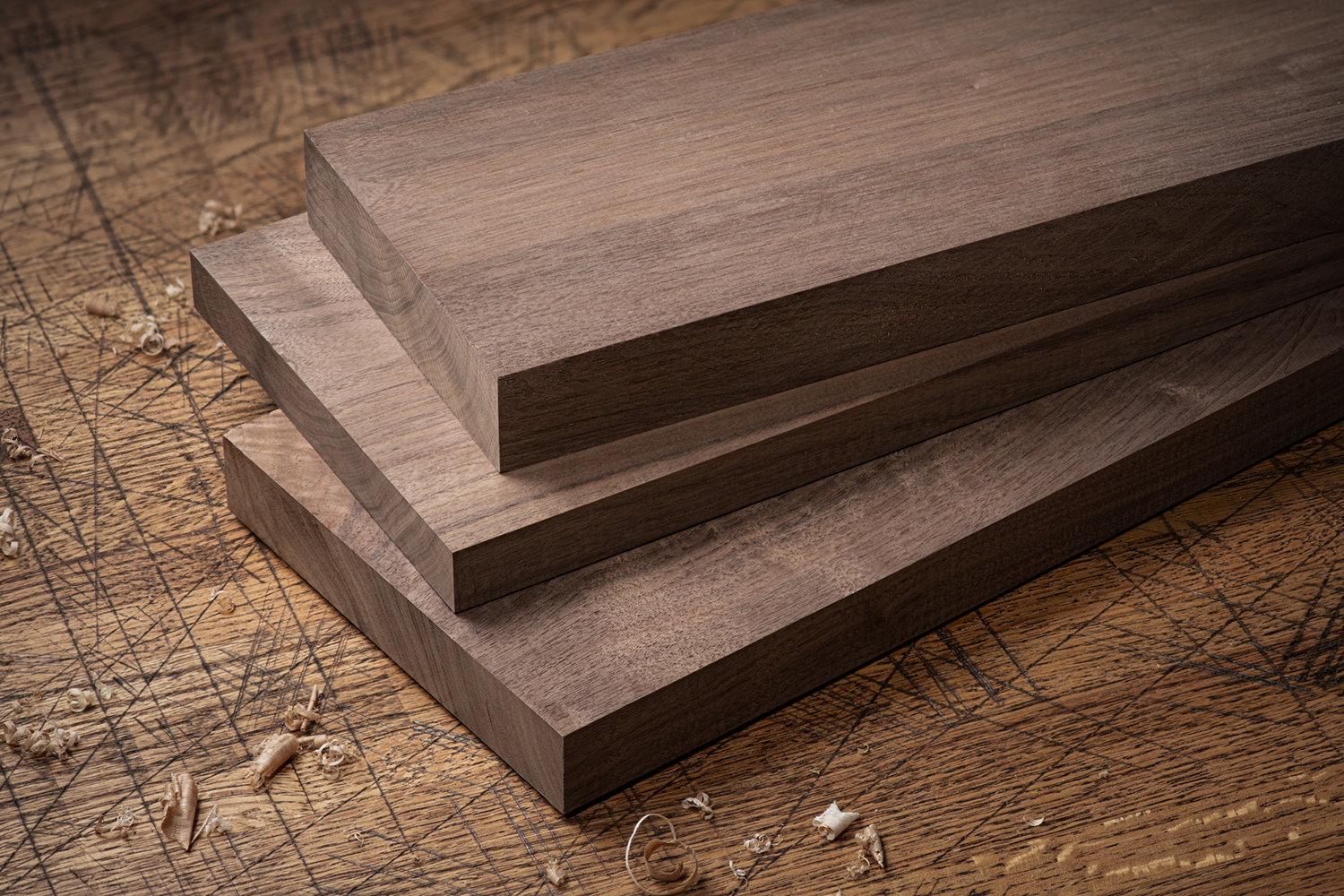
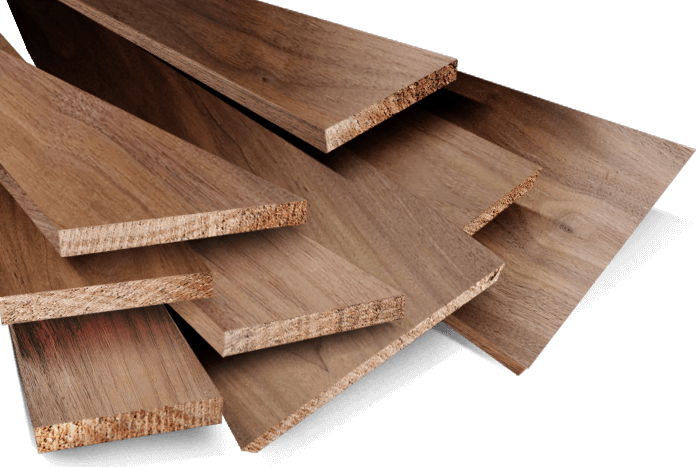
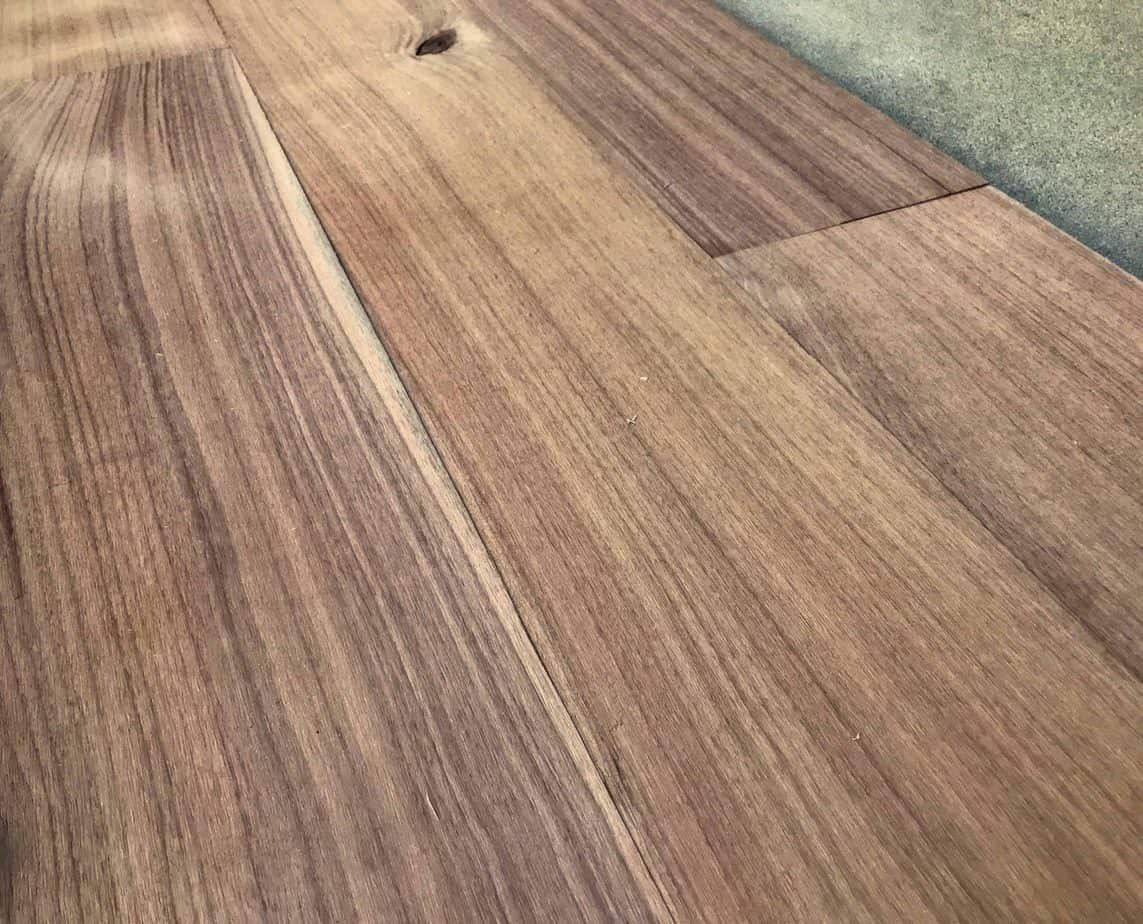
There are two different types of walnut lumber depending on the layer. The outer layer is called sapwood and the inner layer is called the heartwood. Walnut sapwood can be three inches in width and has a creamy white color. The walnut heartwood has a more chocolate brown color. The walnut wood surface reflects an extraordinary grain variation. Its rich and illustrious brown color lasts over time, that's why it has become a favourite among carpenters and woodworkers.
• Dry well seasoned timber is stronger. • Dry well seasoned timber is easier to work with and consequently safer especially machine working. • Timber with higher moisture content is difficult to finish i.e. paint, varnish, etc.
There are two main ways of seasoning timber, Natural (Air) and Artificial (Kiln) drying. Both methods require the timber be stacked and separated to allow the full circulation flow of air, etc. around the stack